12 Apartment Balcony Privacy Ideas for Renters
This post may contain affiliate links: if you buy through them, we may earn a small commission at no extra cost to you. Details.
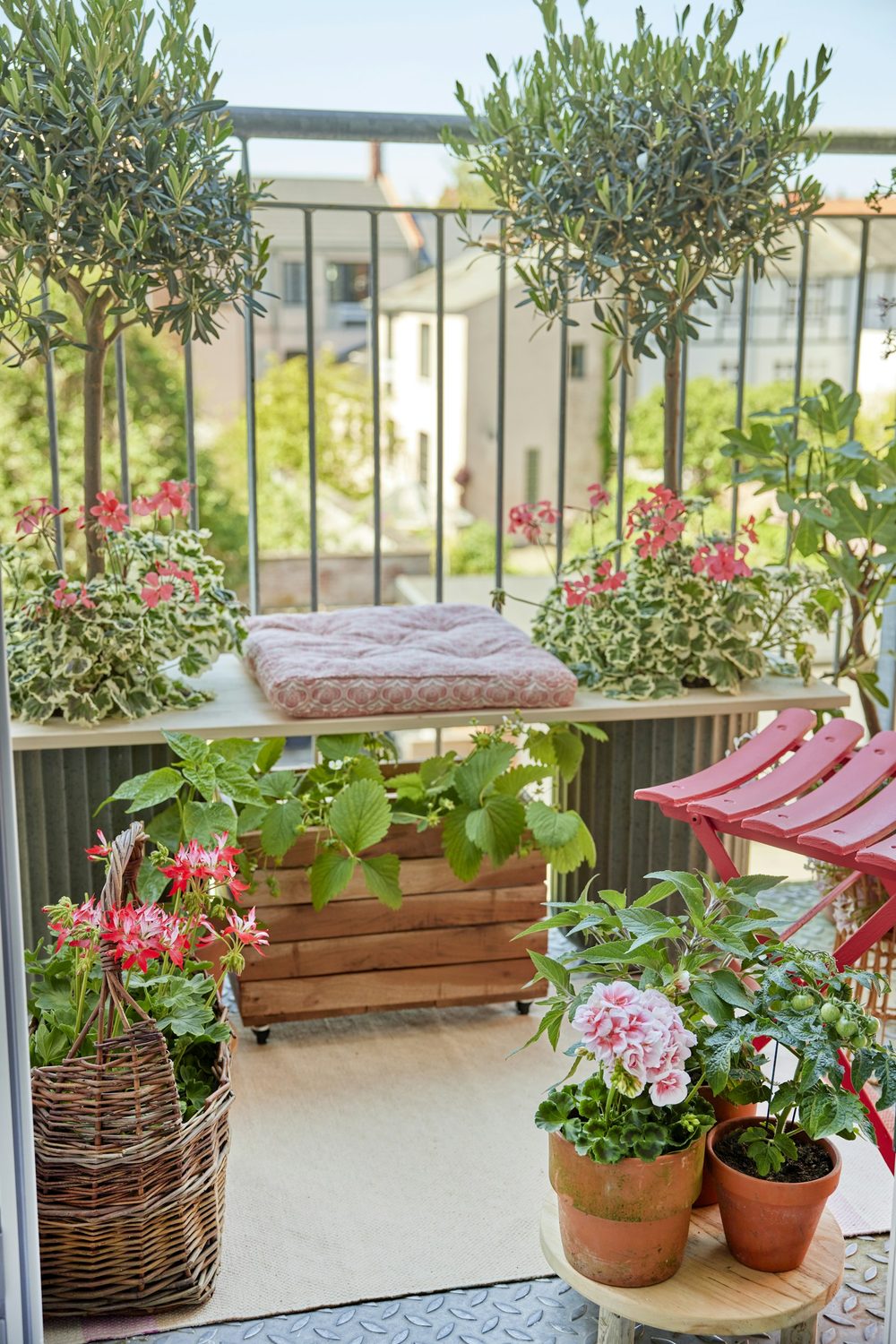
Most people stop using their balcony for one reason: they feel watched. The fix is rarely a full wall. You only need to block the two or three sightlines that bother you, usually the railing at seated height and one side facing the neighbor.
Before buying anything, sit where you plan to sit and note where you can see people from. That is where the screen goes. Also check your lease or building rules: many buildings limit what can be attached to the outside of the railing or what color it can be.
1. Fabric railing cover
The quickest fix. A strip of dense outdoor fabric with eyelets runs along the inside of the railing and is tied on with cord or zip ties. It blocks the view from the street while you sit, lets some air through and comes off in minutes. Choose a neutral color that matches the building.
2. Reed or bamboo fencing roll
Natural rolls look warmer than fabric and let filtered light through. They are light, cut to length with garden shears and fix with wire or zip ties. Expect them to weather to grey in two or three seasons outdoors.
3. Faux ivy screen
Artificial hedge panels and expandable ivy trellises give a green wall without watering. They work well on the side facing a close neighbor. Look for UV-protected leaves, otherwise they fade to blue-green within a summer.
4. Outdoor curtains on a tension rod
If your balcony has a ceiling and side walls, a tension rod between the walls holds outdoor curtains with no screws. Pull them closed when you want privacy and open when you want the view. Weighted hems or tie-backs keep them calm in the wind.
5. Tall planters with grasses
A row of narrow, tall planters with ornamental grasses or bamboo makes a living screen that moves in the wind. Use clumping bamboo, never running types, and choose a planter at least 30 cm deep. Remember that wet soil is heavy: keep large planters close to the wall, where the slab is strongest.
6. Freestanding trellis with climbers
A planter box with a built-in trellis is a movable green wall. Jasmine, clematis or annual climbers like morning glory cover it in one season. It is the best choice when you want privacy on one side only.
7. Folding privacy screen
A freestanding outdoor room divider needs no fixing at all and folds away for winter. It is useful on a ground-floor patio or a wide balcony. In windy spots it must be weighted or tied to something solid.
8. Roll-up shade for the open side
An exterior roller shade hung from the ceiling blocks low sun and the view at the same time. Many models hang from hooks; if drilling is not allowed, look for clamp-on or tension-mounted versions.
9. Half-height umbrella
A half umbrella sits flat against the wall and tilts, so it shields you from the windows above, which no railing screen can do. It needs a heavy base and should always be closed when you leave.
10. Shade sail overhead
A small triangular sail tied between the railing and the wall hides you from the upper floors and gives shade. It only works where you have three solid fixing points, so check that before ordering.
11. Hanging plants as a curtain
A row of hanging baskets at different heights along the open side breaks up the view without closing the balcony in. Trailing pothos, ivy or petunias do the job. Use a clamp-on railing bracket if you cannot use ceiling hooks.
12. Frosted film for glass railings
Glass balustrades look good and hide nothing. Static-cling frosted film applied to the inside lets light through, blurs the view and peels off when you move out. Ask the building first: it changes how the facade looks.
Which one fits your situation
- Street below, low floor: fabric cover or reed roll on the railing.
- Neighbor next door: faux ivy, trellis planter or folding screen on that side only.
- Windows above: half umbrella or shade sail.
- Glass railing: frosted film plus a few tall planters.
- Windy, high floor: avoid solid screens; use mesh fabric and plants, which let wind pass.
Two things to check first
- Rules. Read the lease and the building bylaws before attaching anything to the outside face of the railing.
- Wind. A solid screen works like a sail. Anything tall must be fixed in at least four points, and loose items should come inside before a storm.